
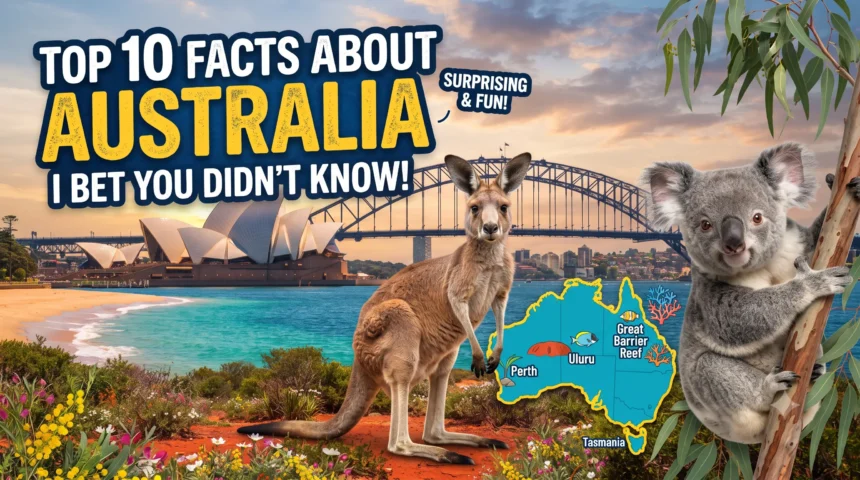
Australia is known around the world for its beaches, kangaroos, Sydney Opera House, the Great Barrier Reef, and the vast landscapes of the Outback. But there is much more to the country than these well-known attractions.
From wild camels crossing the Australian desert to an enormous fence stretching across the country which is apparently bigger than the great wall of China💁♂️, Australia is full of unusual facts that can surprise even people who know the country well.
Whether you are planning a trip to Australia, or just curious about the country, here are 10 most fascinating facts about Australia you may not have known.
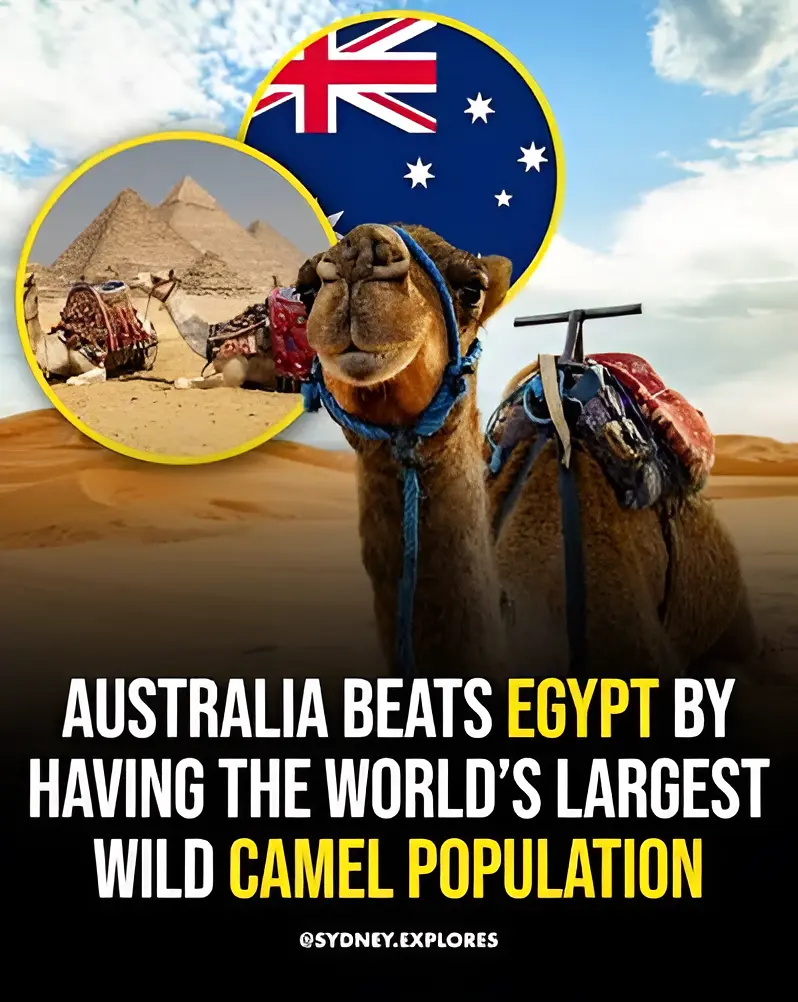
Australia Has More Camels Than Egypt
When you think about camels, Australia probably isn’t the first country that comes to mind. Surprisingly, the Australian Outback is home to one of the world’s largest populations of wild camels.
Camels were brought to Australia during the 19th century and were used mainly for transportation in the remote interior. They were particularly useful for carrying supplies and helping explorers travel through Australia’s harsh and dry landscapes.
As motor vehicles became more common, many of these camels were released into the wild. Over time, their population grew significantly across the Australian Outback. Today, Australia has a huge population of feral camels, particularly across Western Australia, South Australia, Queensland and the Northern Territory.
So while Egypt may be famous for its pyramids and camels, Australia has an unexpectedly large camel population of its own.
A Fence Longer Than the Great Wall of China
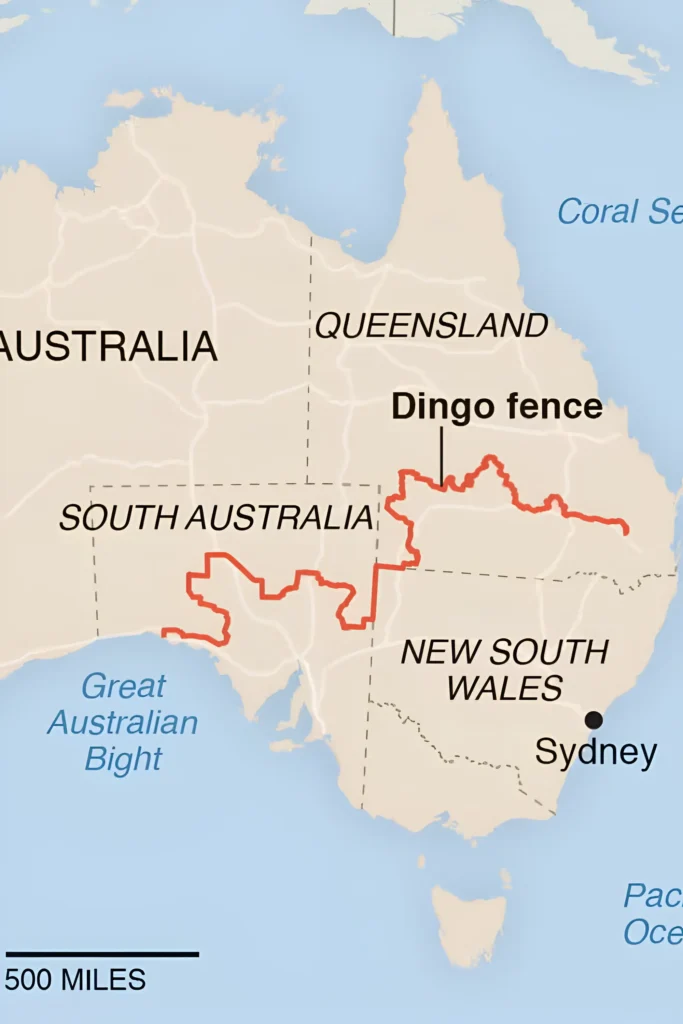
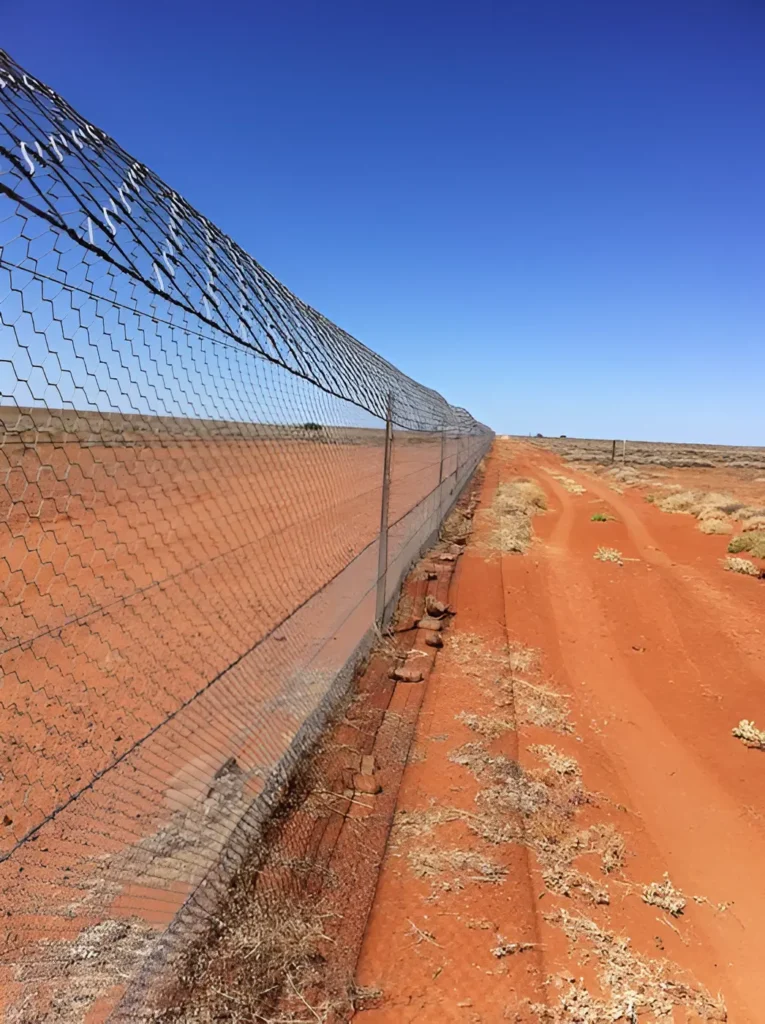
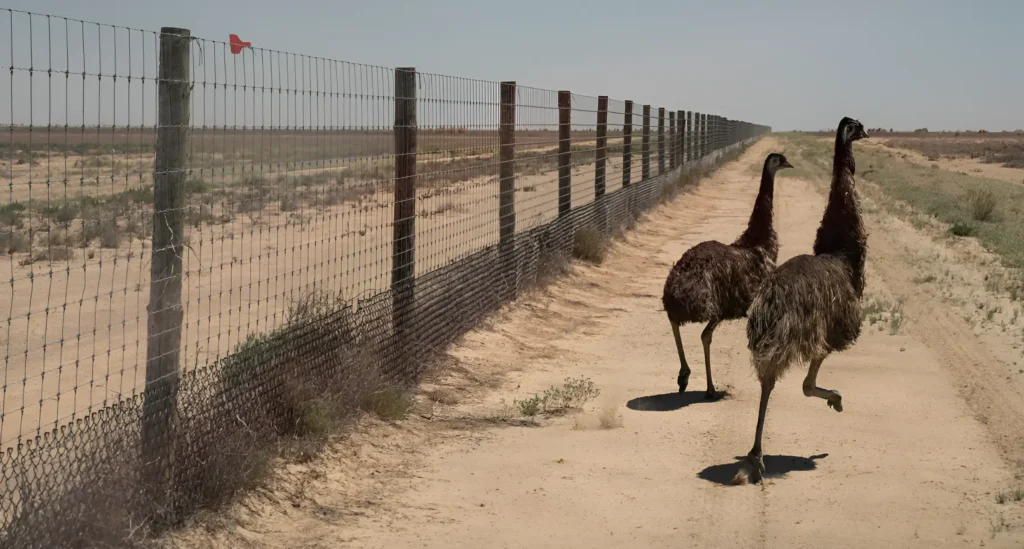
Australia is home to one of the longest fences ever constructed. Known as the Dingo Fence, or sometimes the Dog Fence, this enormous structure stretches for thousands of kilometers across parts of Australia. It was built primarily to protect sheep-farming areas from dingoes and other animals.
The fence was developed in sections during the late 19th and early 20th centuries. Its exact length depends on which sections are counted, but the wider network extends for more than 5,000 kilometers. That makes it longer than the Great Wall of China in terms of total length.
Home to the World’s Oldest Living Culture
Australia has one of the oldest continuous cultural traditions in the world. Aboriginal and Torres Strait Islander peoples have lived in Australia for at least 65,000 years, according to archaeological evidence. This means Indigenous Australian cultures existed for tens of thousands of years before the arrival of European settlers.
Over this enormous period of time, Indigenous communities developed complex systems of knowledge, languages, art, ceremonies and traditions. One fascinating part of this cultural heritage is the tradition of Songlines, which preserve knowledge about landscapes, places, history and cultural practices through stories, songs and oral traditions.
Indigenous Australian culture is therefore not simply something from the distant past. It continues to play an important role in Australia’s society and identity today.
The Australian Alps Get More Snow Than Switzerland
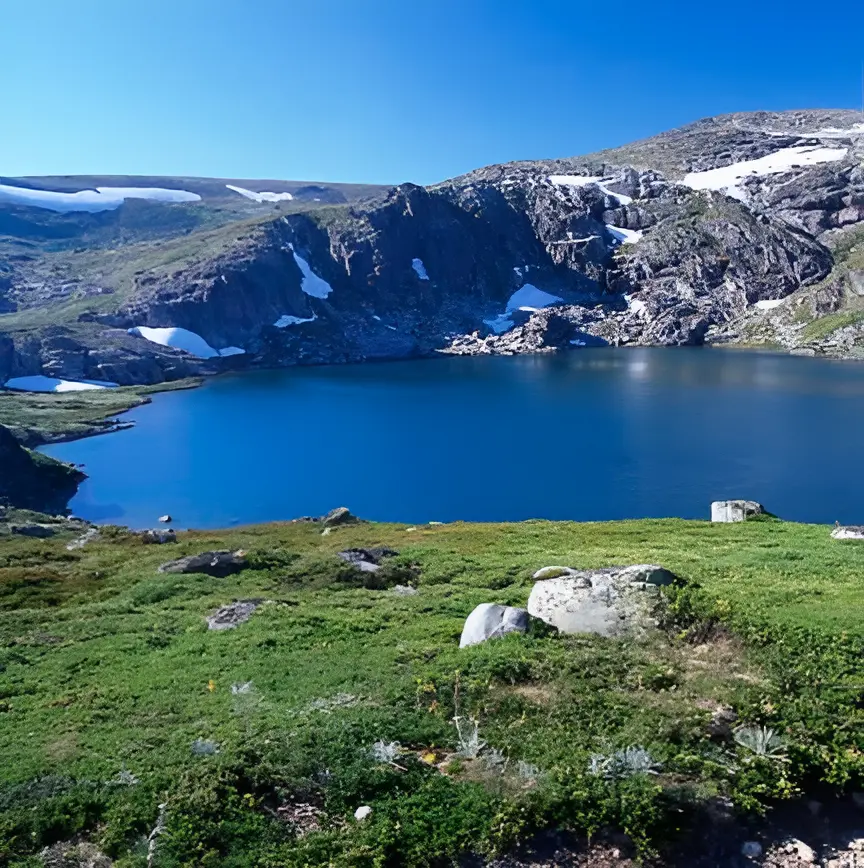
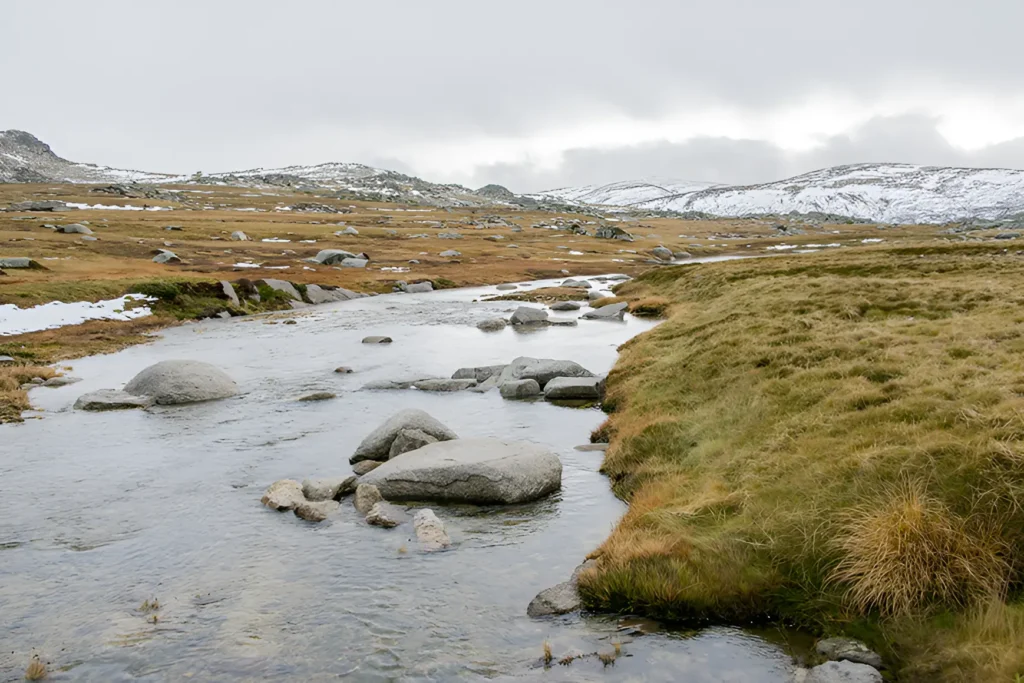
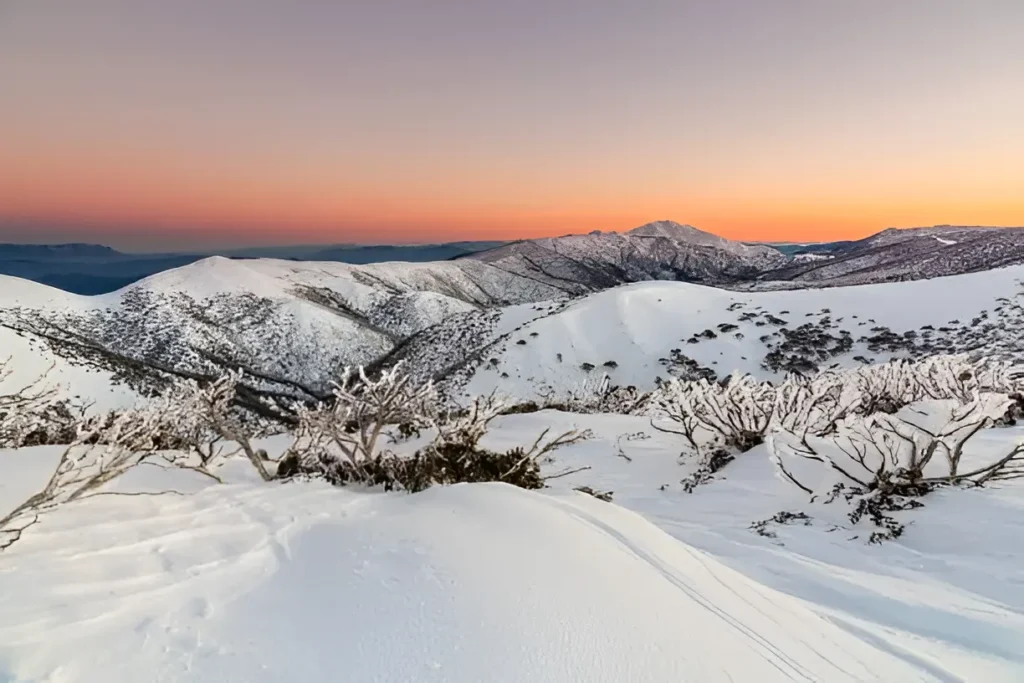
Australia is often associated with warm weather, beaches and sunshine, but parts of the country experience surprisingly cold winters. The Australian Alps, located mainly across New South Wales and Victoria, receive significant snowfall during the Southern Hemisphere’s winter months.
The region is home to popular ski destinations, including areas around the Snowy Mountains. Thousands of people visit these locations each winter for skiing, snowboarding and other snow-related activities. One interesting comparison often made is that some parts of the Australian Alps can receive substantial amounts of annual snowfall compared with certain areas of the Swiss Alps.
Australia’s snow season may not be what most people imagine when they think of the country, but it is an important part of Australian tourism. So yes, you can actually go skiing in Australia💀.
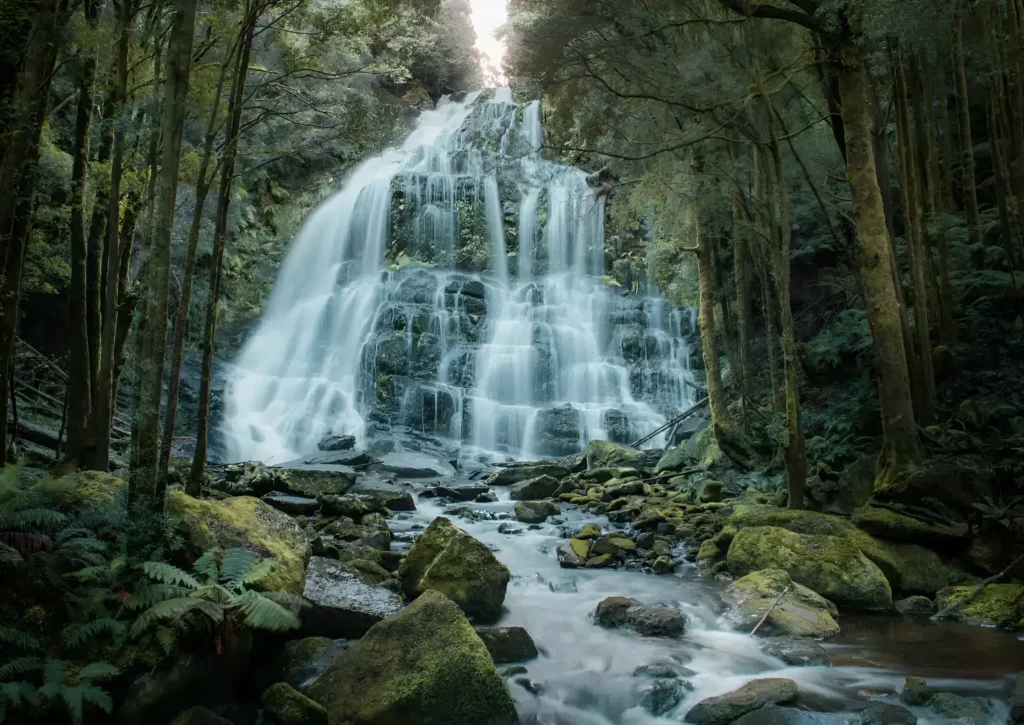
Tasmania Has the Cleanest Air on Earth
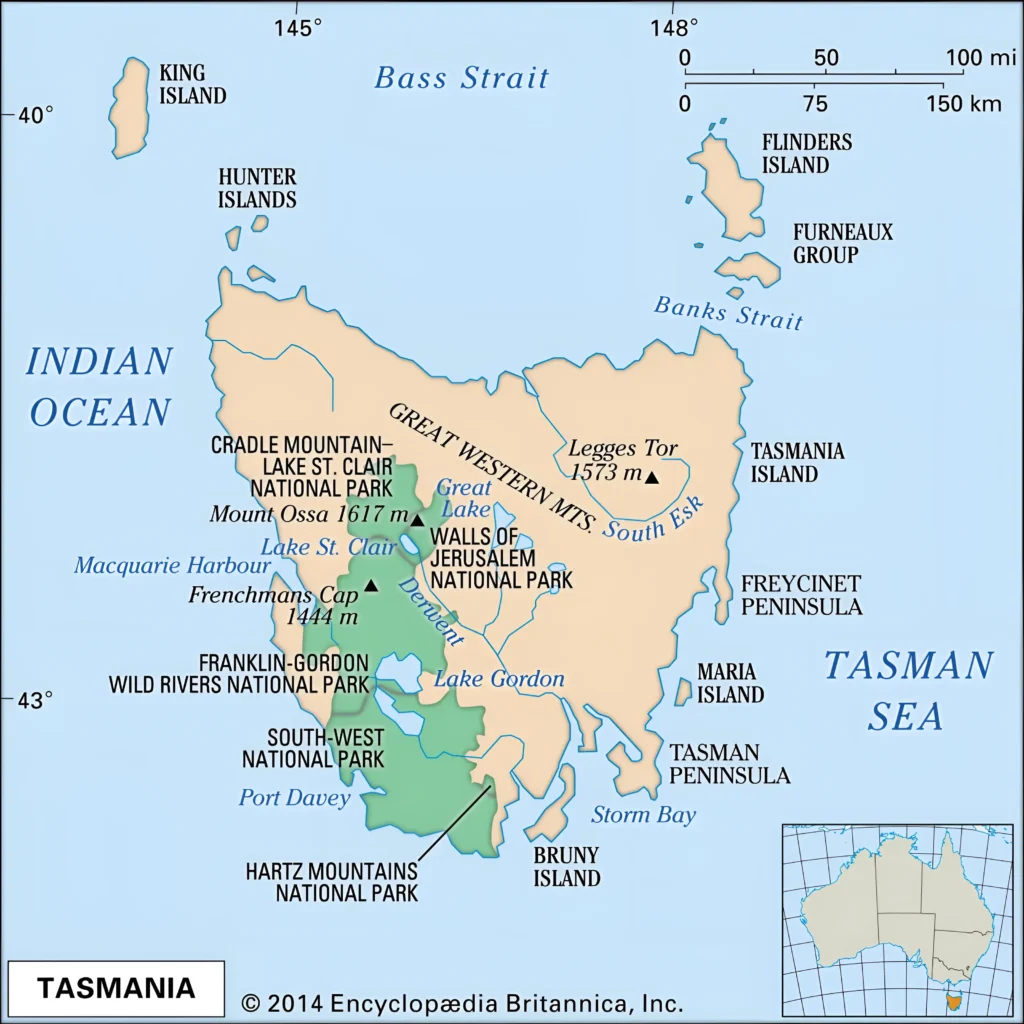
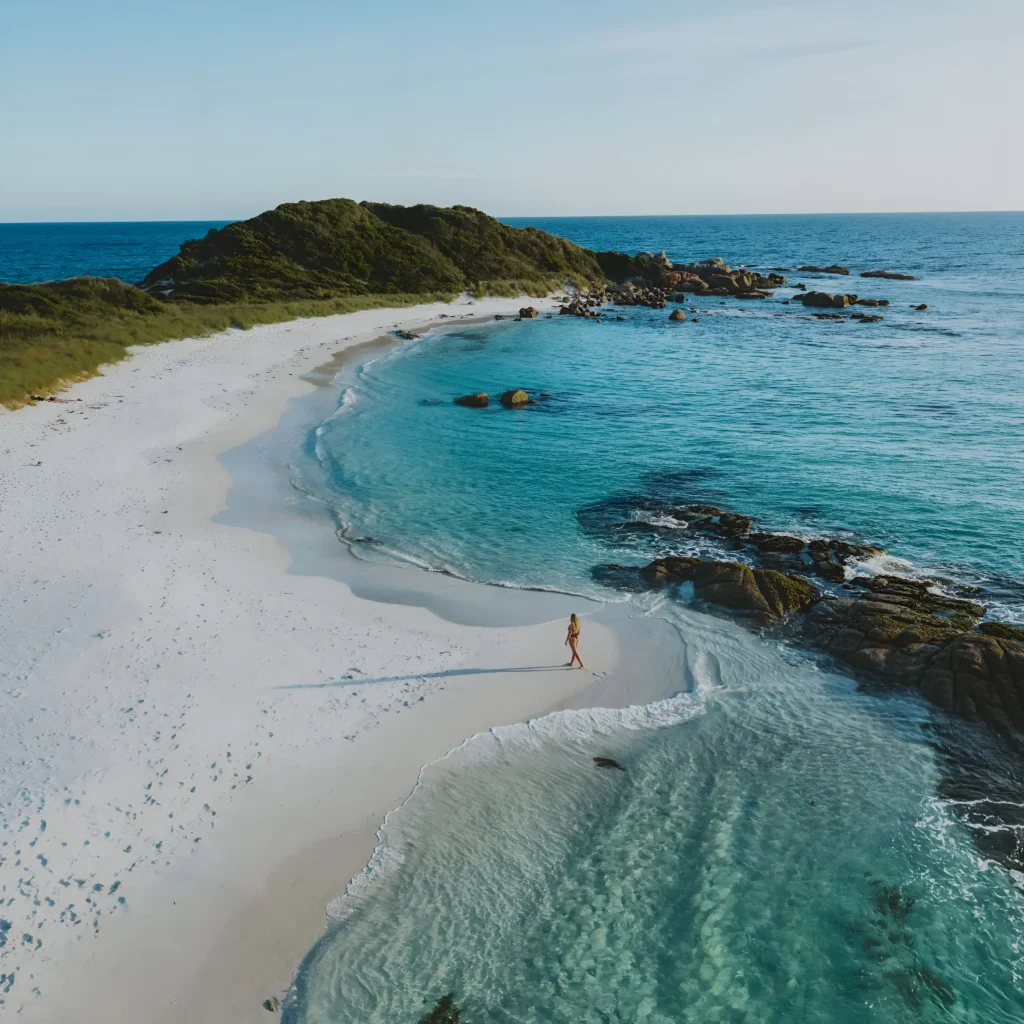
Tasmania is famous for its forests, mountains, wildlife and relatively untouched natural landscapes. But it also has an important role in global atmospheric research. At Cape Grim, located on the northwestern coast of Tasmania, scientists monitor air that has travelled across the Southern Ocean before reaching the monitoring station.
Because the area is far away from major industrial centres, the air can provide valuable information about the background composition of the atmosphere. The Cape Grim Baseline Air Pollution Station has been collecting measurements since the 1970s. Its data is used by scientists to study greenhouse gases, ozone and other atmospheric components.
This is why Cape Grim is considered an important global reference point for atmospheric research. So while calling Tasmania’s air simply “the cleanest air on Earth” is a popular description, the more interesting fact is that Tasmania provides scientists with some of the world’s most valuable measurements of relatively unpolluted air.
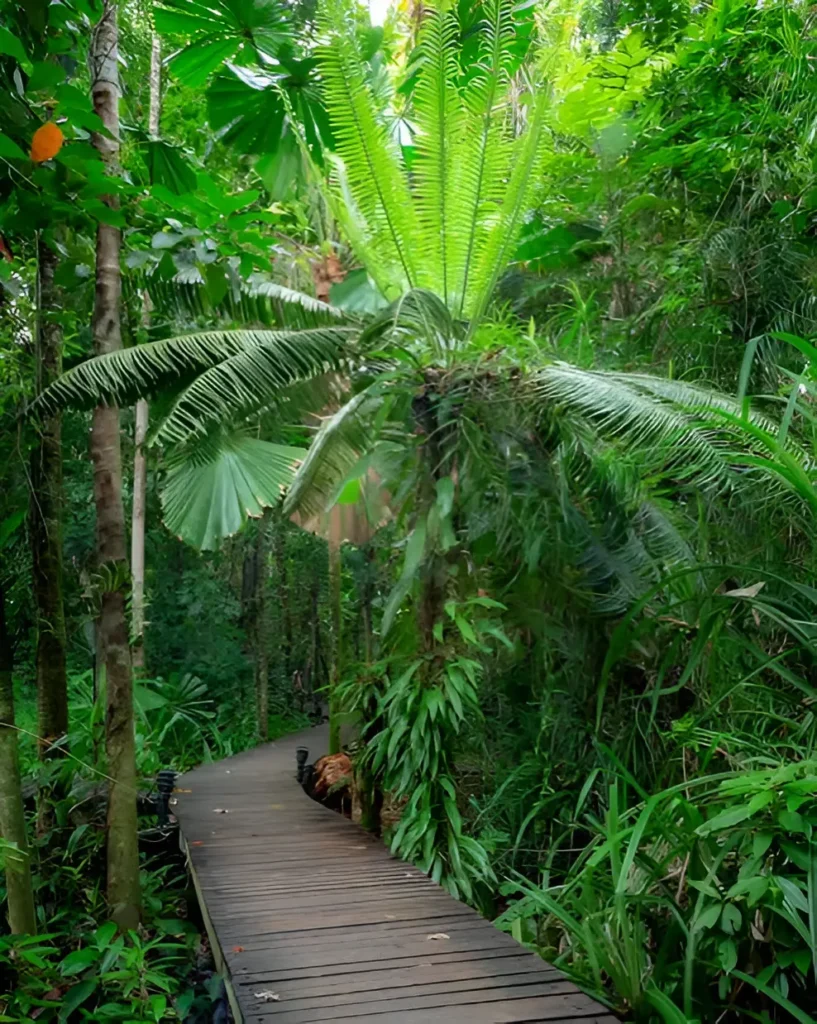
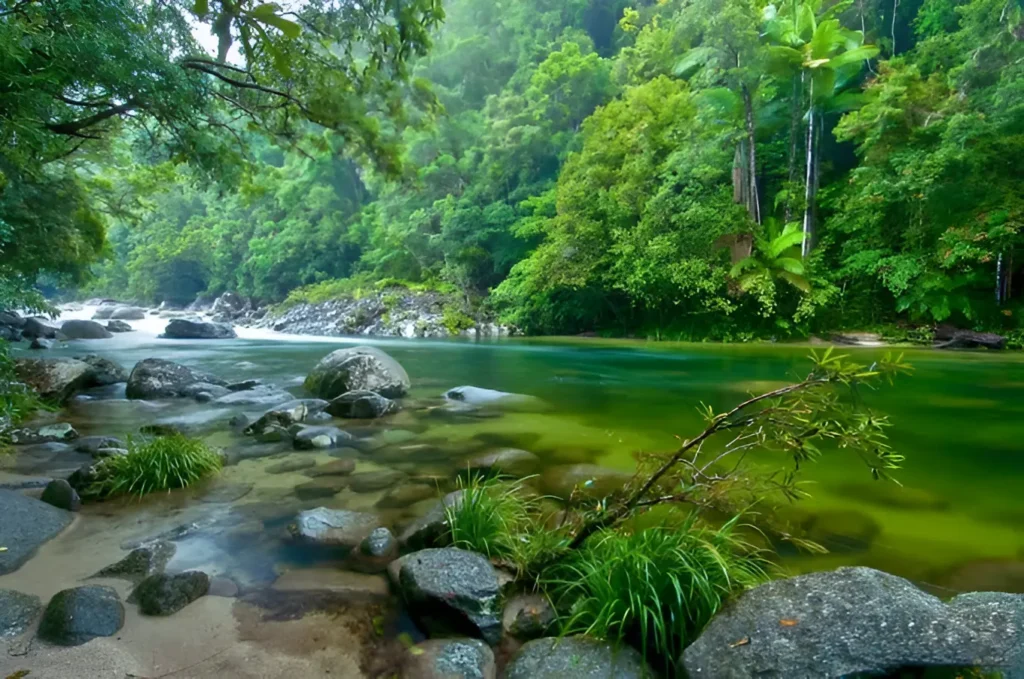
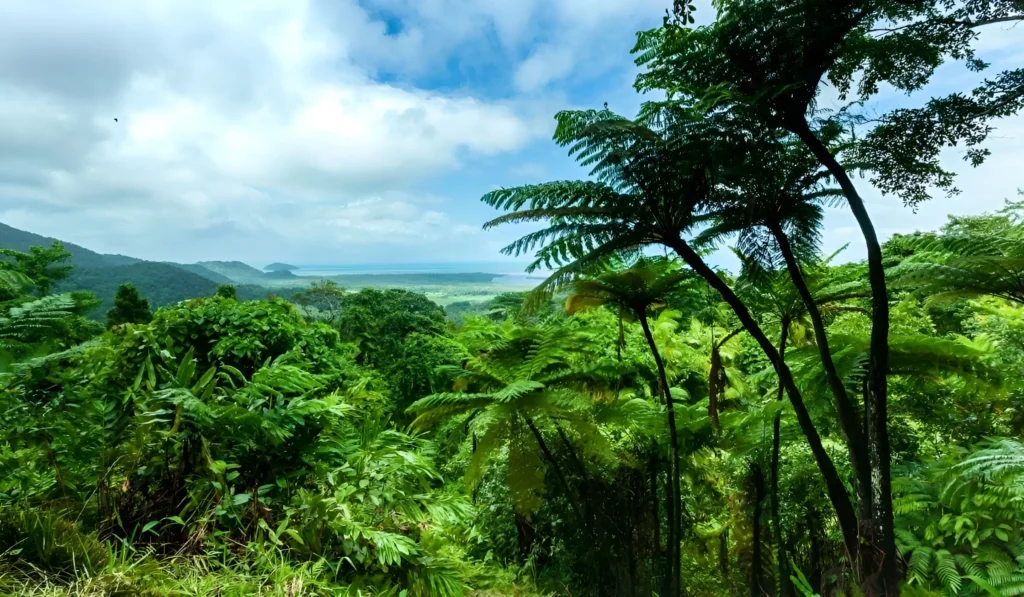
The Daintree Rainforest Outdates the Amazon
Australia’s tropical north is home to one of the world’s most ancient rainforest environments. The Daintree Rainforest, located in Queensland, is estimated to have a history stretching back around 180 million years or more.
That is an incredible amount of time when you consider that modern humans appeared only a tiny fraction of that long ago. The rainforest contains an extraordinary variety of plants and animals, including species that are rare or found only in this part of Australia.
The Daintree is part of the Wet Tropics of Queensland World Heritage Area, which protects a much larger region of tropical rainforest and its unique ecosystems. Walking through the Daintree can feel like stepping into a living piece of Australia’s ancient natural history.
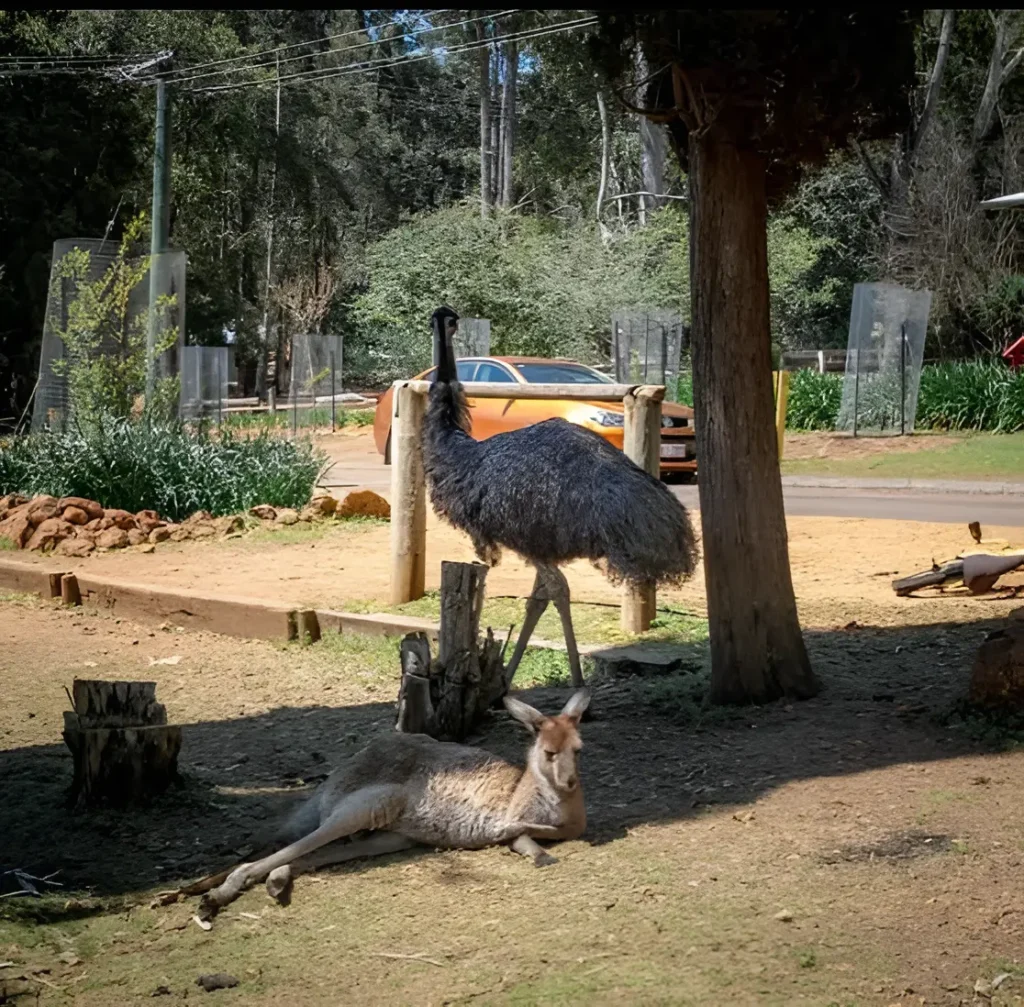
Kangaroo and Emu: The Animals That Can’t Walk Backwards
Australia’s national coat of arms features two animals that are instantly recognisable: the kangaroo and the emu.
There is a popular explanation for their inclusion. Both animals are associated with moving forward because their body structures make moving backwards difficult. A kangaroo’s large tail and powerful hind legs make backward movement extremely difficult, while an emu’s body structure and long legs also make moving backwards impractical.
This has led to the kangaroo and emu becoming associated with the idea of a country that is always moving forward. Although the explanation is often simplified, it remains a fun piece of Australian symbolism. The two animals also represent some of Australia’s most distinctive native wildlife, making them a natural choice for one of the country’s best-known national symbols.
Read more about – Top 10 Amazing facts about New Zealand You Should Know

The World’s Longest Golf Course Stretches 1,365 Kilometers
Australia has no shortage of unusual attractions, and the Nullarbor Links is a perfect example. Rather than being a traditional golf course where all 18 holes are located in one place, the Nullarbor Links stretches across approximately 1,365 kilometers along Australia’s remote southern route.
The course connects locations between Ceduna in South Australia and Kalgoorlie in Western Australia, with individual holes spread across different towns, roadhouses and locations along the journey. This means playing the complete course is more like taking a long-distance road trip than spending an afternoon at a local golf club.
Along the way, golfers get to experience the enormous Nullarbor landscape, remote communities and some of Australia’s most isolated roads. It is certainly one of the most unusual golf experiences in the world.
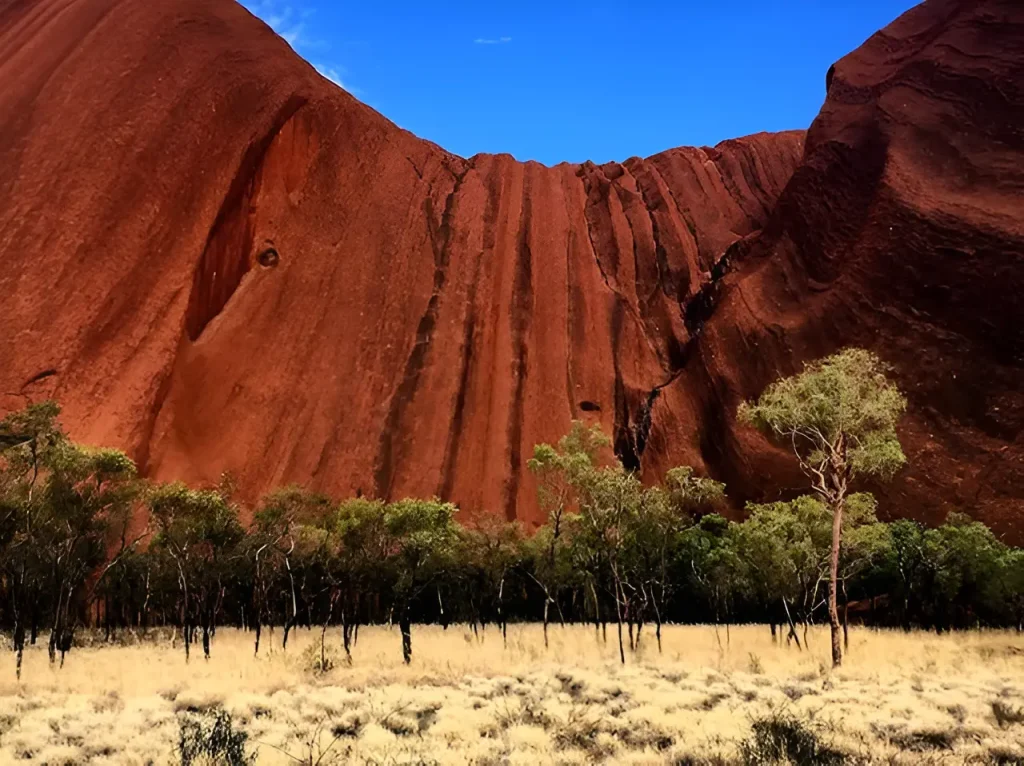
Uluru is Much Deeper Than It Looks
Uluru, also known as Ayers Rock, is one of Australia’s most recognizable natural landmarks. The massive sandstone formation rises approximately 348 meters above the surrounding landscape, but what you see above the ground represents only part of its geological structure.
Uluru continues below the surface, extending deep into the surrounding rock. This underground structure helps explain why this enormous formation has remained such a striking feature of Australia’s landscape for so long.
But Uluru is much more than a geological wonder. It is a deeply significant cultural and spiritual site for the Anangu people, the Traditional Owners of the area. The surrounding landscape contains important cultural stories, sites and traditions that have been passed down through generations.
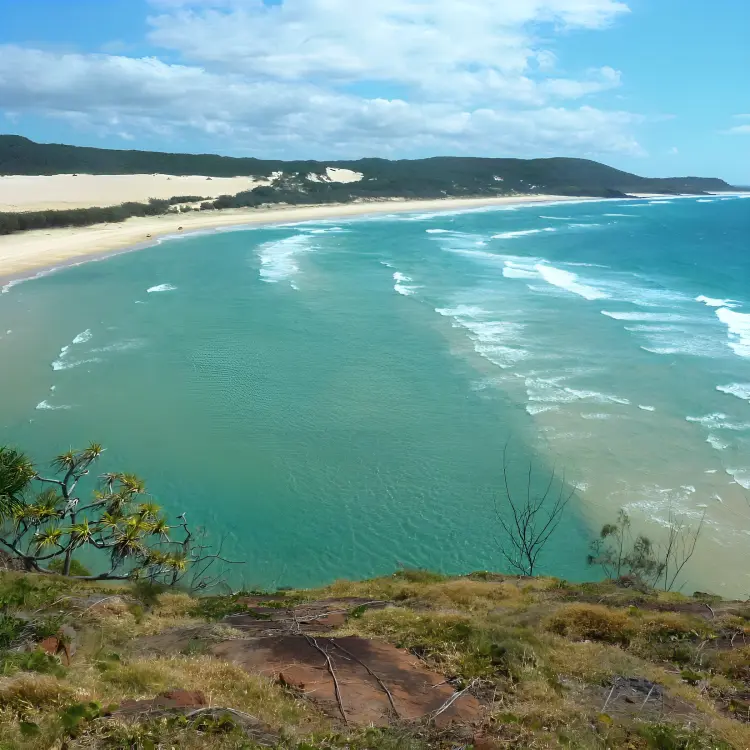
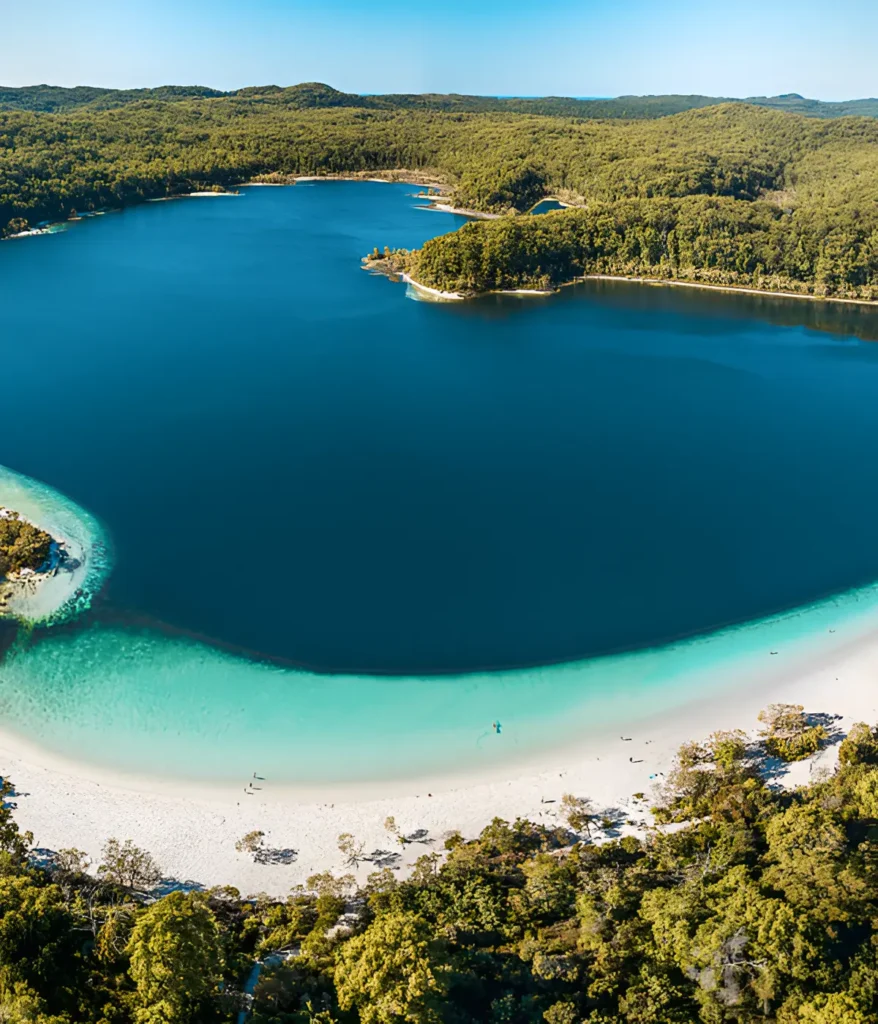
The Ultimate Island of Sand: K’gari (Fraser Island)
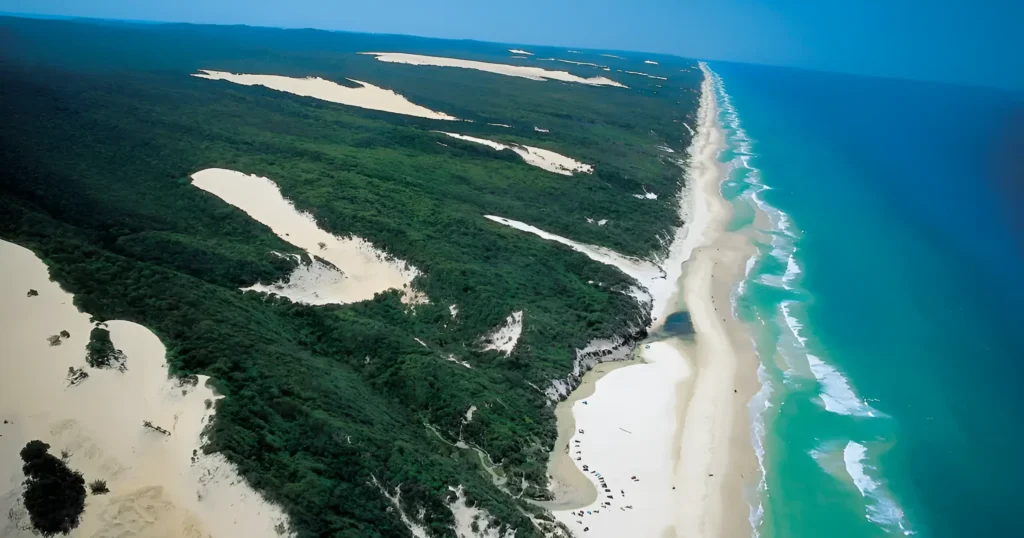
Australia is home to some extraordinary islands, but K’gari, formerly known as Fraser Island, is particularly unusual. Located off the coast of Queensland, K’gari is recognised as the world’s largest sand island. It stretches for more than 120 kilometers and is covered by enormous sand dunes.
What makes the island even more fascinating is what grows on those dunes. Despite being made largely of sand, K’gari supports dense rainforests, eucalyptus forests, wetlands and other ecosystems. The island is also famous for its freshwater lakes, many of which are largely dependent on rainfall.
K’gari is also home to a variety of wildlife, including the famous Fraser Island dingoes. The combination of huge sand dunes, freshwater lakes and rainforest makes K’gari one of Australia’s most unusual natural landscapes.
Conclusion
Australia is a country full of contrasts. It has tropical rainforests and snowy mountains, enormous deserts and beautiful beaches, ancient Indigenous cultures and some of the world’s most modern cities. The country’s unusual wildlife and enormous landscapes have also produced some fascinating records, from its huge wild camel population to the world’s longest golf course.
Now comment what facts you didn’t know before or any facts you want to let us know!👇👇